
Headaches and Dizziness: When Might They Be Connected?
Headaches and dizziness often turn up together. Sometimes they share a single cause, and sometimes they are separate problems that overlap. Occasionally the combination is a warning sign that needs urgent care.
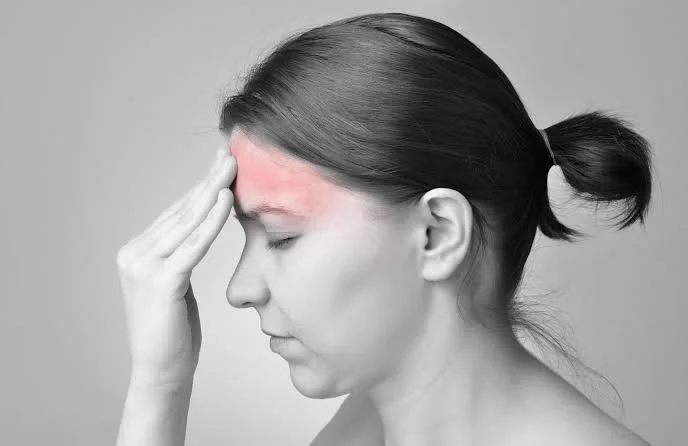
This article explains the most common ways headaches and dizziness can be linked, including vestibular migraine and neck-related (cervicogenic) dizziness, and where physiotherapy may fit alongside medical care.
Call 000 immediately for a sudden, severe headache (especially "the worst headache of your life") with dizziness, or dizziness with weakness, numbness, facial droop, slurred speech, double vision, confusion or difficulty walking. See all warning signs.
1. Vestibular migraine
Vestibular migraine is one of the most common causes of recurring episodes of vertigo. It is a form of migraine in which the main symptoms are vertigo or dizziness, sometimes with:
- headache, though not every episode includes one
- sensitivity to light, sound or movement
- visual disturbances or aura
- episodes lasting from minutes to hours, sometimes longer
Many people with vestibular migraine have a personal or family history of migraine. Diagnosis is made by a doctor, usually a GP or neurologist, based on the pattern of symptoms after other causes have been considered.
Where physiotherapy may fit: vestibular migraine is primarily medically managed, through trigger management, lifestyle strategies and, where appropriate, medication. Some people also have ongoing movement sensitivity or imbalance between episodes. For them, vestibular rehabilitation may be used as part of a broader plan agreed with their doctor.
2. Cervicogenic (neck-related) dizziness
Your neck contains sensors that tell your brain where your head is in relation to your body. Cervicogenic dizziness describes a feeling of unsteadiness or disorientation that appears linked to neck pain or neck dysfunction. It is often worse with neck movements or sustained postures, and often comes with neck pain and sometimes headache.

It's an area of ongoing clinical debate, and it is usually considered only after other causes have been ruled out, because inner-ear, migraine and circulation problems can produce similar symptoms. When it is suspected, physiotherapy treatment of the neck combined with balance or eye-movement exercises may be part of management.
Many people search "can tight traps cause dizziness?" Muscle tension in the neck and shoulders, including the trapezius, is common in people with neck pain and headaches. On its own, though, it isn't a reliable explanation for dizziness. Persistent dizziness deserves a proper assessment.
3. Tension-type and cervicogenic headache with dizziness
Tension-type headaches and headaches that come from the neck (cervicogenic headaches) are common. Some people with these headaches also describe light-headedness or a "foggy", unsteady feeling, particularly with neck pain, poor sleep or stress.
Physiotherapy for headaches typically focuses on assessing and treating the neck, posture, muscle tension and movement. At Physio Focus, see our headache physiotherapy and neck pain pages for more information.
4. Head injury and concussion
Headache and dizziness are both common after a head knock or concussion. Any head injury with worsening headache, repeated vomiting, confusion, drowsiness, seizures or weakness needs urgent medical assessment. Persistent dizziness after concussion should be reviewed by your doctor, who can guide your recovery and any referrals.
5. Other causes
Headache and dizziness together can also come from dehydration, illness, low blood sugar, high or low blood pressure, medication side effects, eye strain, poor sleep and anxiety. Less commonly they signal serious conditions that need prompt medical care. That's why new or changing combinations of headache and dizziness should be checked by a GP.
How headache and dizziness are assessed
Because the causes overlap, a careful history matters. Useful things to note before seeing your doctor or physiotherapist:
- Does the dizziness feel like spinning, light-headedness or unsteadiness?
- Do headaches and dizziness occur together or separately?
- How long do episodes last?
- Are symptoms triggered by head position, neck movement, screens, light, noise, sleep or stress?
- Do you have a history of migraine, or a family history?
- Have you had any hearing changes?
A vestibular assessment can examine the balance system, eye movements and neck, and help identify whether physiotherapy is likely to help or whether medical review is needed first.
Key points
- Headaches and dizziness can share a cause, overlap, or occasionally signal an emergency.
- Vestibular migraine causes recurrent vertigo or dizziness, sometimes without headache, and is managed by a doctor, sometimes with physiotherapy support.
- Cervicogenic dizziness is considered after other causes are excluded and may be managed with neck treatment and balance exercises.
- A sudden severe headache with dizziness, or any neurological symptoms, needs 000.
This article is general information only and is not a substitute for individual medical advice.
References
- healthdirect.gov.au (migraine, vertigo, dizziness, head injury)
- Lempert et al., Vestibular migraine: diagnostic criteria (Bárány Society/ICHD-3, J Vestib Res 2012; updated 2022)
- Reiley et al., cervicogenic dizziness review (J Man Manip Ther 2017)